01 · Foundation
Eat Real Folate, Not Folic Acid
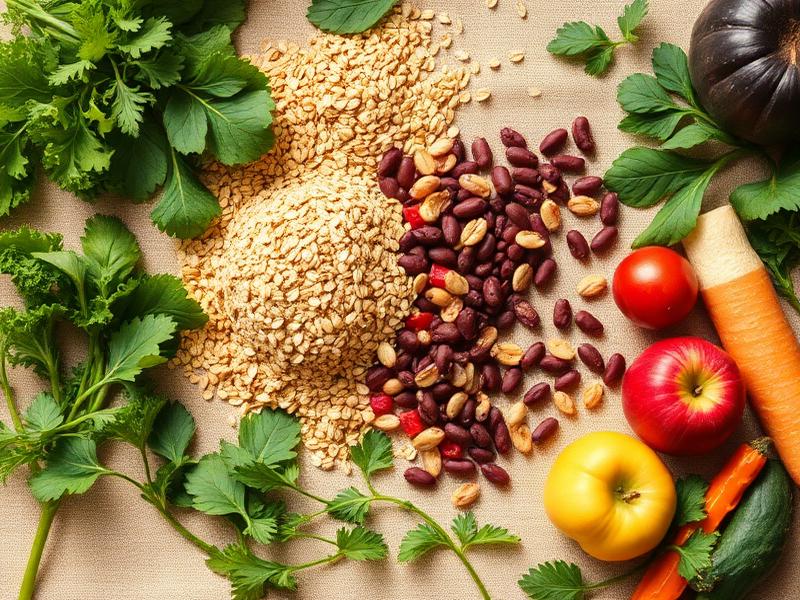
Dark leafy greens, lentils, beans, asparagus, avocado, and beets give your body folate that doesn't need a working MTHFR enzyme to use.
Daily
The genetics-aware playbook for MTHFR and methylation — a self-check quiz, the foods and nutrients that help, daily habits, methylated supplements, and the labs worth running. Built by Dr. Tammy for the people whose fatigue, fog, and hormones keep getting called just stress.

"You're not broken — your genes are just asking for the right form of the nutrient."
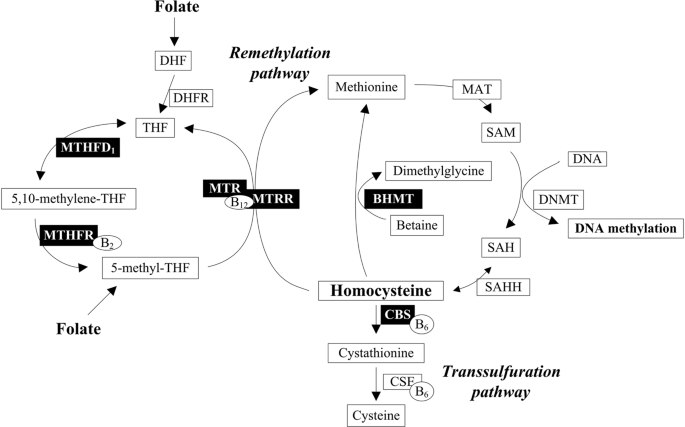
Methylation is your body's "switch system" — a chemical handoff that runs over 200 reactions every second. It builds neurotransmitters, clears estrogen, detoxifies chemicals, repairs DNA, and powers mitochondria. The MTHFR gene makes the enzyme that converts folic acid into the active 5-MTHF that drives the whole cycle. Around 4 in 10 people carry a variant that slows that enzyme to 30–70% — and almost none of them know it.
Since the late 1990s, breads, cereals, pasta, and most multivitamins have been fortified with synthetic folic acid. For an MTHFR carrier, that unconverted folic acid clogs receptors and crowds out the active form. It's a well-meaning policy with an unintended cost — and a simple fix once you know to look for it.
An MTHFR variant means the enzyme that turns folic acid into active 5-MTHF runs at 30–70% speed. Synthetic folic acid stalls and active methyl-folate runs short.
Methylation builds neurotransmitters, mitochondria support, and the SAMe your brain runs on. Stall it and you get fatigue, fog, and flat mood.
Methylation clears estrogen, supports progesterone, and steadies the HPA axis. Sluggish methylation shows up as PMS, hot flashes, and stubborn weight.
Methyl groups neutralize histamine, heavy metals, and environmental toxins. When they're short, sensitivity, headaches, and inflammation climb.
The first two are red-flag questions worth bringing to a clinician this week. Answer honestly. Not a diagnosis.
None of these "fix" your genes — you can't. They take pressure off the methylation cycle so the enzyme you do have can keep up. Start with food and the folic acid audit; they do the heaviest lifting.
Dark leafy greens, lentils, beans, asparagus, avocado, and beets give your body folate that doesn't need a working MTHFR enzyme to use.
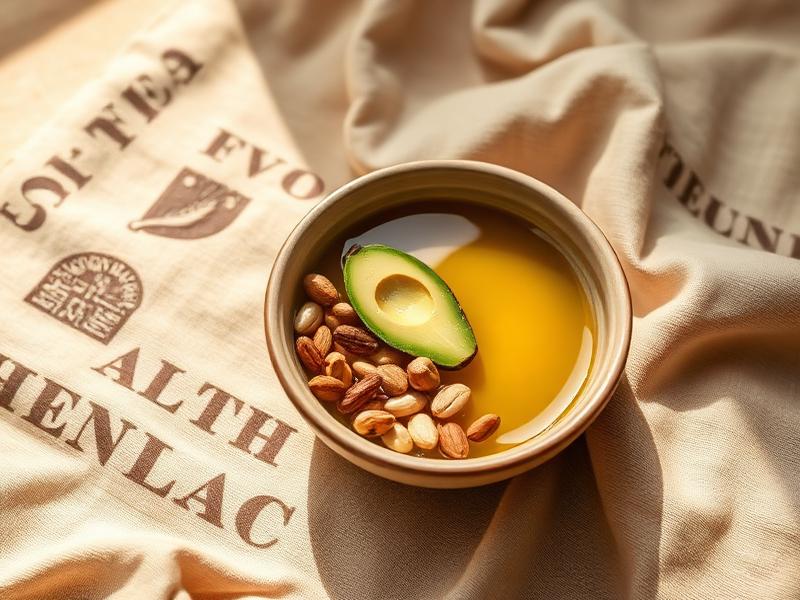
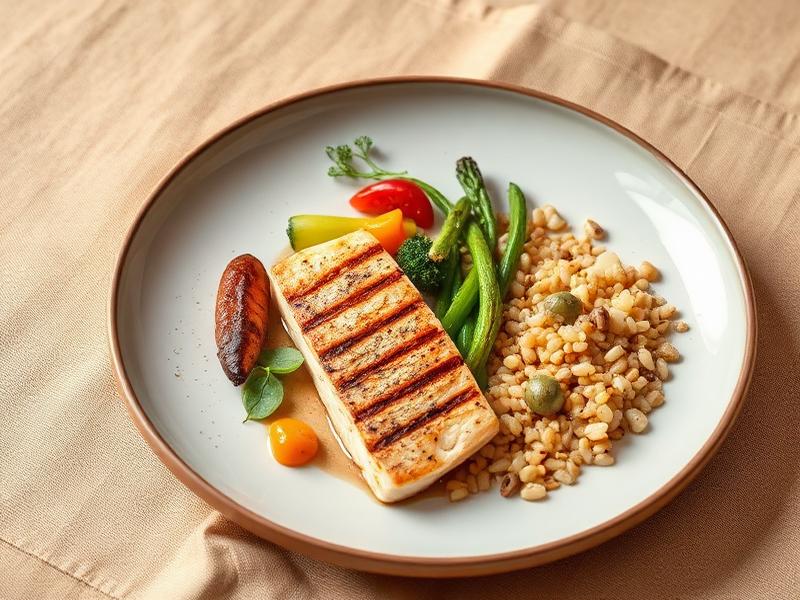
Pasture eggs, salmon, olive oil, and avocado deliver choline and omega-3s — methyl donors that take pressure off the folate cycle.

Methylation runs detox pathways. Steady water all day helps clear the toxins methyl groups have already tagged for removal.

A 20–30 minute walk plus weekly sweating (sauna, yoga, brisk movement) supports lymph, circulation, and toxin clearance.
Cortisol burns through methyl groups fast. Daily breathwork, prayer, or 10 quiet minutes preserves the methyl currency your brain needs.

Skip fortified cereals, breads, and multivitamins with folic acid. Limit alcohol, glyphosate-heavy foods, and chemical fragrances that drain methylation.
None of these replace medical care. They deliver the active, methylated forms of the nutrients an MTHFR variant struggles to make. Start low, go slow, and work with a clinician — especially if you take SSRIs, blood thinners, or methotrexate.
Professional-quality brands at member pricing through our Fullscript portal.
Open supplement portalThe active form of folate that bypasses a sluggish MTHFR enzyme. Start low.
Pairs with methylfolate to power the methylation cycle and nerve health.
Provides B2, B6 (P-5-P), and the other Bs methylation needs as cofactors.
Direct methyl donor that helps lower homocysteine and support liver detox.
Backup methyl donor; supports brain, liver, and hormone clearance.
Essential cofactor for hundreds of methylation-linked reactions.
Supports the detox arm methylation feeds — especially with toxin load.
Calms inflammation and supports the cell membranes methylation rebuilds.
Spinach, kale, romaine, asparagus, broccoli, lentils, and beans give your body folate that doesn't need a working MTHFR enzyme.
Pasture eggs (choline), wild salmon (B12 + omega-3), beets (betaine), and grass-fed liver are nature's methylation multivitamin.
Most breads, cereals, pasta, and energy bars. Read labels — "folic acid" is not folate, and an MTHFR enzyme can't process it well.
All raise toxin load and burn through methyl groups your brain and hormones need.
Ordered roughly by where most people start. Switch off folic acid and add a methylated B stack first — most people feel a shift within weeks. Genetic testing and broader gene panels come next when symptoms don't fully resolve.
Read every label. Move to methyl-folate and food folate. This single change is the biggest lever for MTHFR carriers.
A methylated B-complex plus methyl-B12 covers the daily cofactors a sluggish methylation cycle keeps falling short on.
More leafy greens, pasture eggs, and clean protein. Less alcohol, fragrance, and glyphosate-heavy processed food.
A simple cheek swab or blood test for C677T and A1298C tells you which variant(s) you carry and how much enzyme activity you have.
Homocysteine, B12, folate, and RBC folate quantify how well your methylation is actually running right now.
If you're in perimenopause or menopause, methylation directly clears estrogen. Hormone care and methylation support belong together.
Heal the gut so you can absorb the B vitamins and folate methylation runs on. Often the missing step.
COMT, MTRR, MTR, CBS, and others fine-tune your methylation profile and explain why generic protocols stalled.
Match dose, form, and timing to your variants. Some people need very low methyl doses; others need much more.
Glutathione, NAC, sauna, and binders when toxin load is high — sequenced carefully so methylation can keep up.
Cortisol depletes methyl groups fast. Breathwork, sleep, and nervous-system care multiply every other intervention.
Methyl-folate can feel like rocket fuel or like anxiety. Titrate with someone who's done this before.
If you'd like personalized support — testing, dosing, and how methylation connects to your hormones — book a free call with our team.